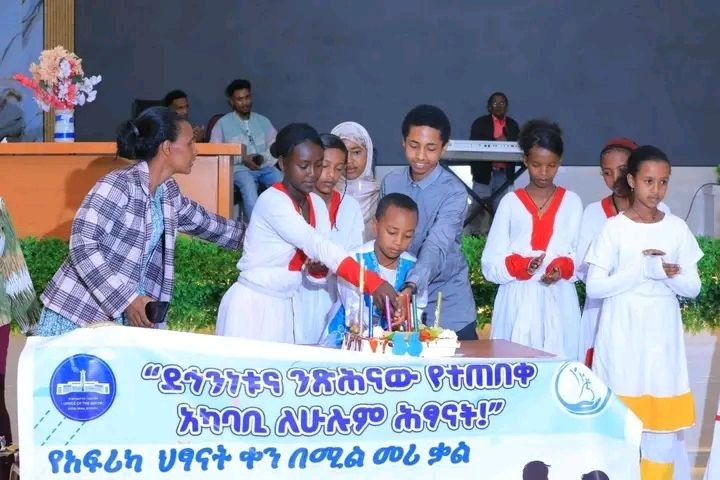
Love for Children and Family Development Organization (LCF), in collaboration with the Kolfe Keraniyo Sub City Women, Children and Social Affairs Office, commemorated the Day of the African Child 2026 under the theme “Ensuring Universal Access to Water, Sanitation and Hygiene for Every Child in Africa.” The event brought together members of the child parliament, government representatives, community-based organizations, and like‑minded civil society groups.
The opening remarks were delivered by the Head of the Kolfe Keraniyo Sub City Women, Children and Social Affairs Office, who emphasized the urgent need to expand access to safe water and hygiene facilities for children. She highlighted that strengthening sustainable water availability and sanitation systems is vital for advancing inclusive socio‑economic development and safeguarding the well‑being and future of Africa’s children.
Children actively participated in the program, voicing their concerns and aspirations through poems, drama, and music. They advocated for children’s survival, development, and well‑being, while underscoring the critical link between access to WASH services and the realization of all child rights.
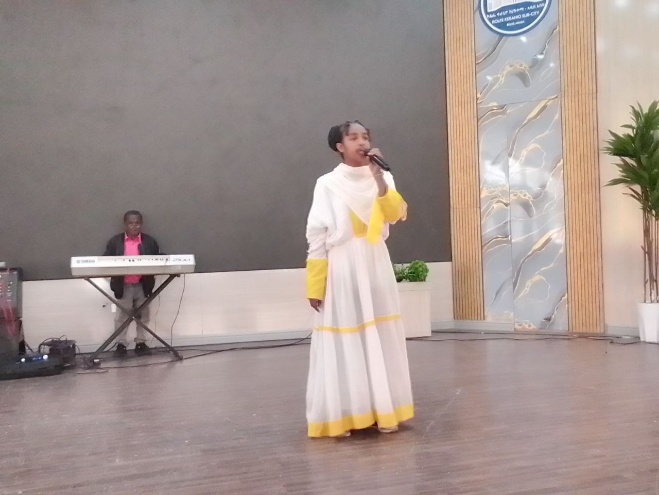
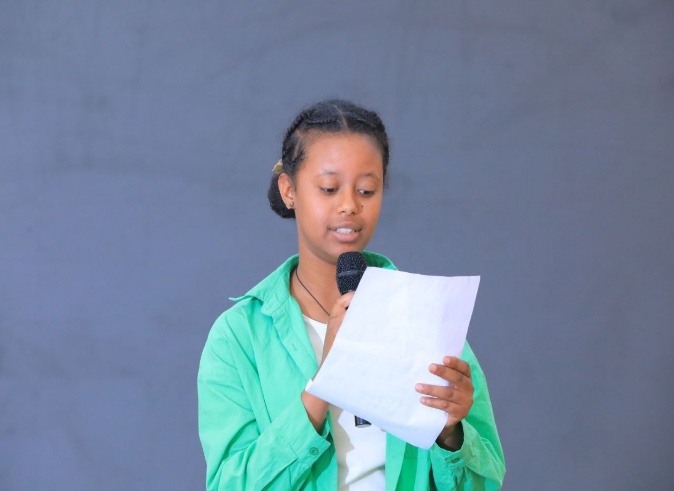
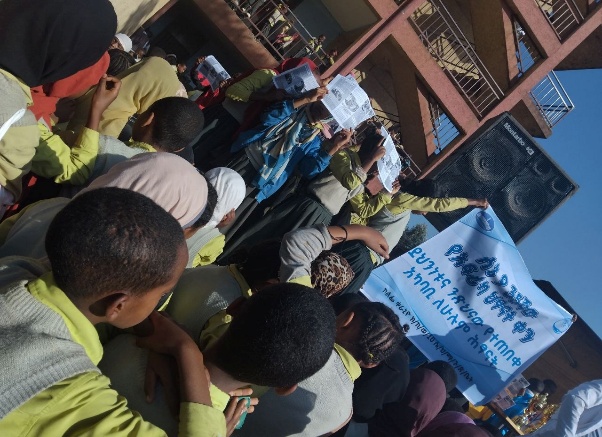
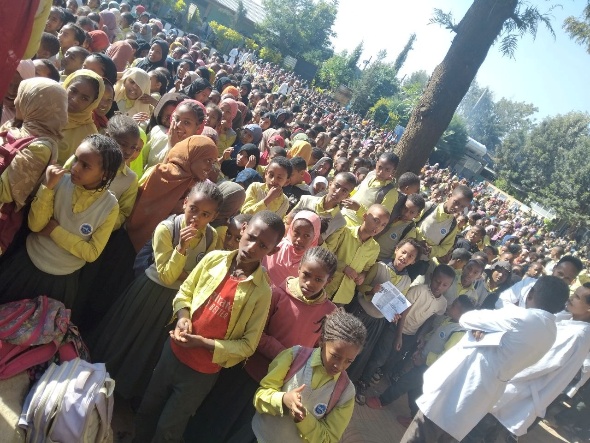
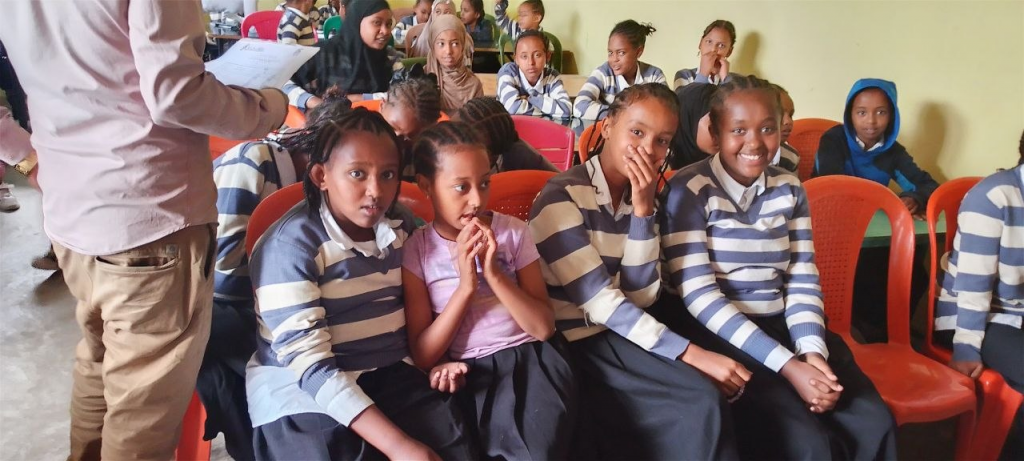
The Day of the African Child (DAC) 2026 commemoration was also marked in collaboration with the Kolfe Keraniyo Sub-City Woreda 02 Women, Children and Social Affairs Office and the Nifas Silk Lafto Sub-City Woreda 02 Women, Children and Social Affairs Office. Activities included both panel discussions and school-level programs, where target school students highlighted the importance of child participation and advocated for their rights to safe water, sanitation, and hygiene (WASH) within schools.
Members of the child parliament clubs played a crucial role in spreading WASH information, working hand in hand with school mini-media clubs to raise awareness.
In total, more than 25,450 participants engaged in the DAC 2026 commemoration, collectively advancing WASH issues and reinforcing the significance of children’s voices in shaping healthier learning environments.